Claude Code: What Changes When the Agent Has a Terminal
An assistant that can read the repo, run the tests and see the failure is a different tool from one that autocompletes. Here is how I actually use it, and where I do not.
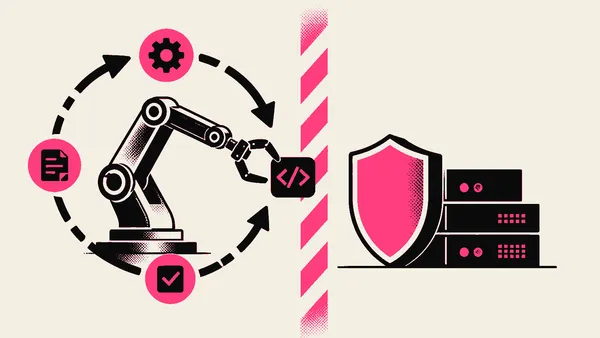
The useful distinction is not how good a model is at writing a function. It is whether it can close the loop: make a change, run the thing, read the error, and try again.
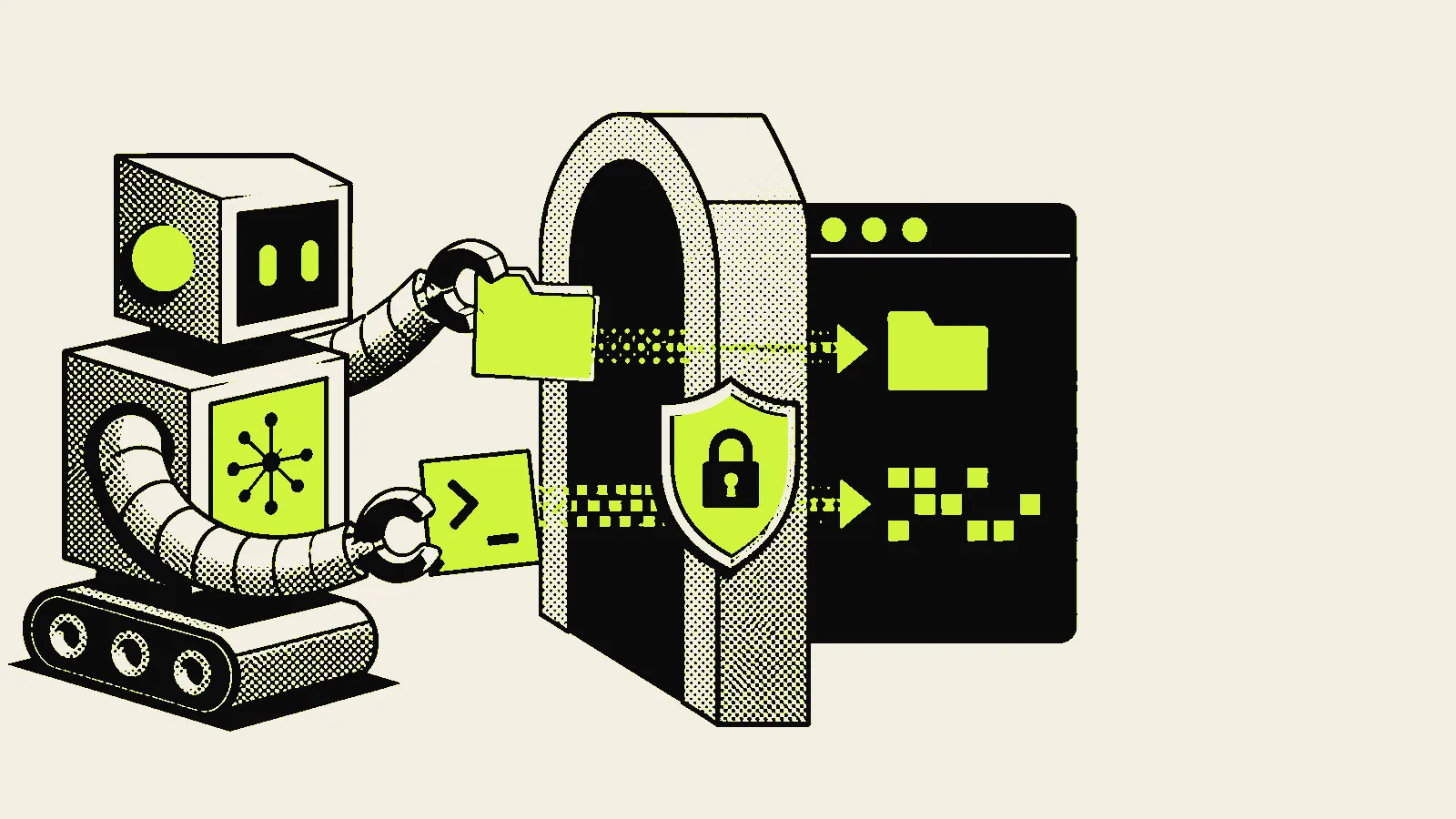
An assistant in an editor suggests code and waits. An agent with a terminal can run npm test, see three failures, open the file that caused them, and check its own work. That difference changes which tasks are worth delegating.
What it is genuinely good at
Tasks with a verifiable success condition. "The build fails with this error, fix it." "Make these tests pass." "This endpoint returns 500 on empty input." The agent can tell whether it succeeded, so it iterates rather than producing something plausible and stopping.
Wide, shallow changes. Renaming a concept across forty files, adding a parameter to every call site, converting a data format. Tedious for a person, mechanical, and easy to review as a diff.
Reading unfamiliar code. "Where does authentication actually get enforced?" is answered faster by something that can grep the whole tree than by scrolling.
What it is not good at
Ambiguous product decisions. It will pick something and justify it well, which is worse than picking badly and saying so.
Anything where you cannot check the result. If you cannot review the change competently, you have not delegated the work — you have delegated the responsibility for a bug you will meet later.
The habits that make the difference
Write down the conventions. A CLAUDE.md describing the stack, the commands, and the patterns to follow stops every session from starting with the same corrections.
Ask it to read before it writes. "Look at how the existing routes handle validation, then add this one the same way" produces code that matches the codebase. Without it you get code that matches the internet.
Keep tasks scoped. One clear objective per run. Long open-ended sessions drift, and the diff becomes too big to review honestly.
Review everything. Every line committed is yours. "The assistant wrote it" is not a defence in a code review, an incident report, or a client conversation.
The security line
Do not hand an agent production credentials. Do not let it run against a live database because it is faster than seeding a local one. Read commands before approving them — the risk is not malice, it is a confidently wrong rm or a migration run against the wrong environment.
Treat it as a capable colleague on their first week: useful immediately, given real work, and not given the production keys.
Resources
- Repo: anthropics/claude-code
- Docs: docs.claude.com/en/docs/claude-code
- Video walkthroughs: YouTube: claude code tutorial workflow
- Related: A CLAUDE.md that actually works
Need this built properly?
I build secure, fast, bilingual platforms for clients across Egypt, Saudi Arabia, the UAE and Kuwait.