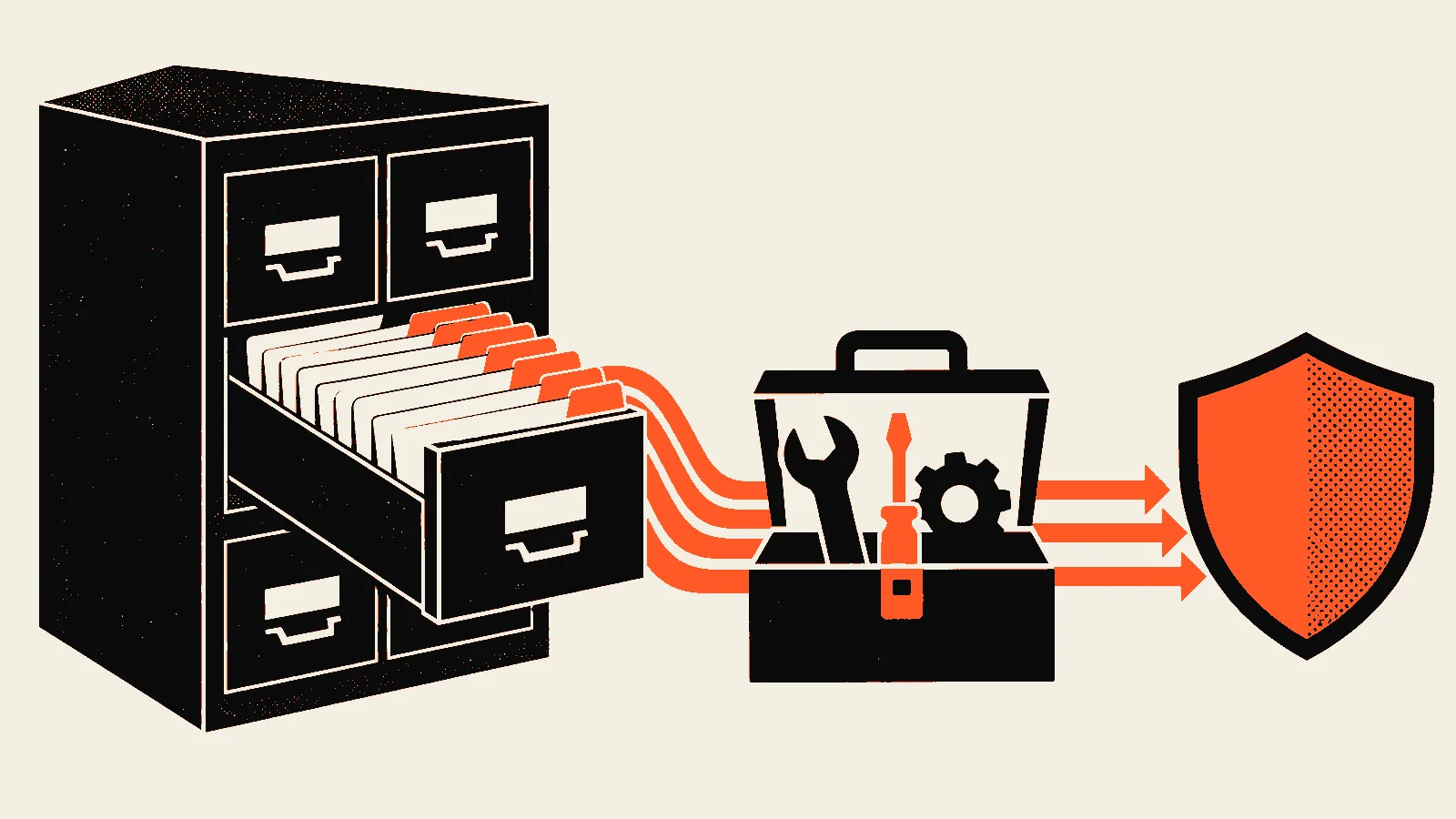
The OWASP Cheat Sheets Are the Answer to Most Security Questions
Not the Top 10 — the cheat sheets. Concrete, implementation-level guidance on the things you are actually about to get wrong.
The OWASP Top 10 is a list of risk categories. It is useful for awareness and useless at 4pm when you are writing a password reset flow and need to know how long the token should be valid.
The Cheat Sheet Series answers that question. It is the part of OWASP I actually use, and it is under-referenced compared to the list everybody quotes.
What is in there
Around a hundred documents, each covering one topic at implementation level. The ones I open most:
Password Storage — which algorithm, which parameters, why not the one you were about to use. It is the reference that ends the argument, and the argument happens on every project.
Authentication and Session Management — token lifetimes, rotation, invalidation on password change, the difference between logout and revocation.
File Upload — the one people most need and least expect to. Validating type properly rather than by extension, storing outside the web root, why the filename the user supplied is not a filename.
Cross-Site Request Forgery — what SameSite does and does not cover, and when you still need a token.
JSON Web Tokens — the algorithm confusion attack, why none must be rejected explicitly, and the honest discussion of when a JWT is the wrong choice.
Input Validation and Cross Site Scripting Prevention — context-dependent output encoding, which is the thing frameworks make invisible until you use dangerouslySetInnerHTML.
Logging — what to log, and specifically what never to log.
How to use it
Read the cheat sheet before building the feature. Ten minutes ahead of time, versus a finding in a security review and a rewrite of a flow that is already integrated everywhere.
I keep a short list of the ones relevant to each project pinned in the repository's security notes, so the next developer inherits the reference rather than the vulnerability.
Why I trust it
It is open source, versioned in git, with visible contributors and review. When guidance changes because an algorithm's recommended parameters moved, the change is in the history with a reason. That is a very different thing from a security blog post from 2019 that ranks well and is now wrong.
The uncomfortable observation
Most vulnerabilities I find in reviews are not clever. They are a documented pattern implemented without reading the documented pattern. The information was free, public, and one search away — the gap was that nobody looked before writing the code.
Resources
- Repo: OWASP/CheatSheetSeries
- Docs: cheatsheetseries.owasp.org
- Video walkthroughs: YouTube: owasp cheat sheet series explained
- Related: Security by design for small teams
Need this built properly?
I build secure, fast, bilingual platforms for clients across Egypt, Saudi Arabia, the UAE and Kuwait.